The bigger picture.
Architecture practices sell on portfolio, but most practice websites bury the work behind a homepage carousel. The pattern we see repeatedly in Mumbai: a beautiful body of work compressed into one scrolling gallery, invisible to search and impossible to share as a single link.
The work behind it.
The brief
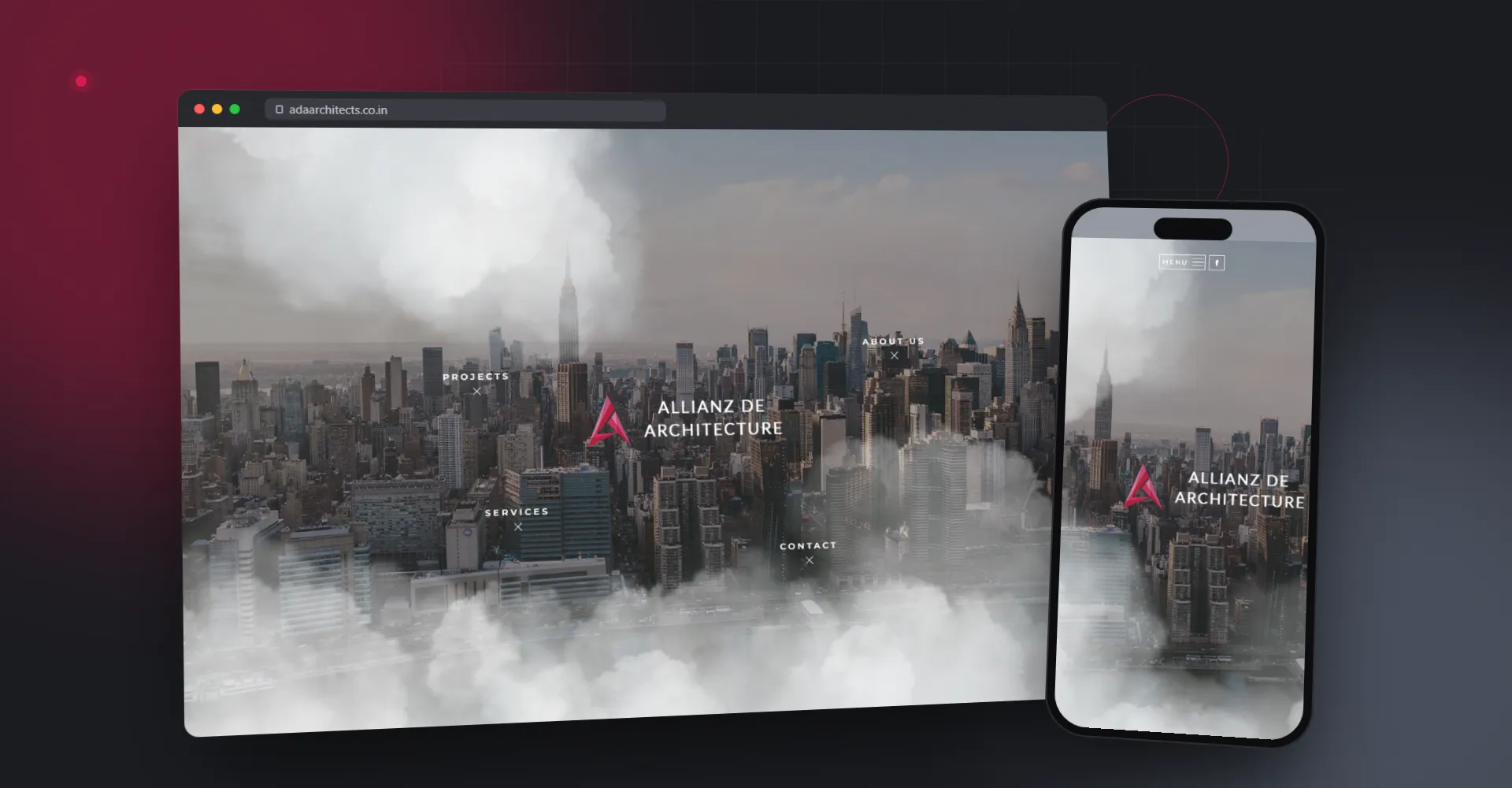
Architecture practices are judged on their work long before anyone reads a word about them. Allianz De Architecture needed a site where the projects carried the pitch, and where a prospective client could move from a first impression to an enquiry without hunting for a contact form.
Our approach
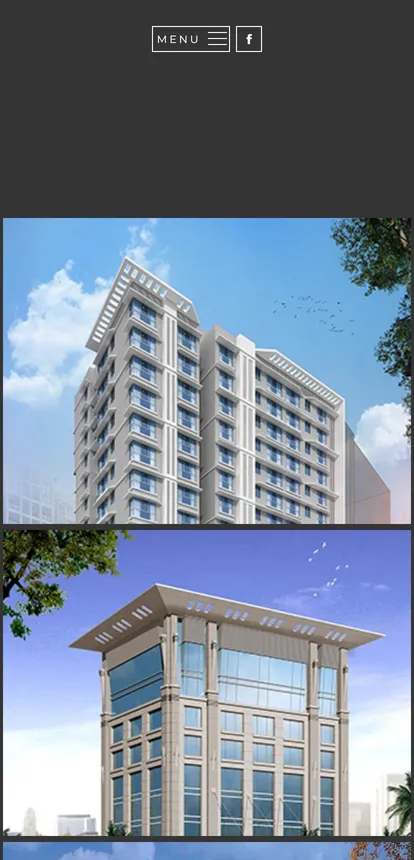
We built a portfolio-first structure: a home page that leads with imagery, a projects index that stays readable as the practice grows, and an individual project template with room for drawings, photography and a written story. Contact sits one click from every project, not buried at the end of a scroll.
The outcome
The practice can add a new project without a developer, and each one gets its own indexable URL rather than living inside a gallery slider. That matters for search: individual project pages can rank for the building type and location, which a single portfolio page never does.
Responsive layoutProject template systemCMS-editableContact routing
Questions about work like this.
How much does an architecture portfolio website cost?
At Gigmoz Solutions, a portfolio site of this kind sits in our brochure band: ₹60,000 to ₹1,50,000, typically 4–6 weeks. A larger practice with dozens of projects and detailed case studies moves into the content-site band of ₹1,25,000–₹3,00,000. See the pricing page.
Can I add new projects myself after launch?
Yes. Every build ships with an editor-friendly CMS and a short training session. Adding a project is a form, not a developer ticket, and each new project gets its own indexable URL automatically.